
How to Choose the Right Wood Species for Your Boardroom Table
WIKI
Admin
6/17/20263 min read
How to Choose the Right Wood Species for Your Boardroom Table
A boardroom table is more than just a place to hold meetings. It serves as the centerpiece of your conference room, reflects your company’s identity, and creates a lasting impression on clients, partners, and employees.
While size, shape, and functionality are important considerations, one of the most significant decisions you'll make is choosing the right wood species. The wood you select influences the table's appearance, durability, maintenance requirements, and overall atmosphere of the room.
In this guide, we'll explore the most popular wood species for boardroom tables and help you determine which option best aligns with your workspace and brand.
Why Wood Species Matters
Every wood species has unique characteristics, including color, grain pattern, hardness, and aging properties. These factors affect both the aesthetics and long-term performance of your boardroom table.
The right wood species can:
Enhance your company's professional image
Complement your office design style
Improve durability and longevity
Create the desired atmosphere for meetings and collaboration
Increase the perceived value of your workspace
Choosing carefully ensures your investment continues to impress for years to come.
Walnut: The Executive Standard
Walnut is widely regarded as one of the most prestigious hardwoods for boardroom furniture. Its rich chocolate-brown tones and sophisticated grain patterns create an immediate sense of authority and professionalism. Example of black walnut boardroom table.
Best For:
Executive boardrooms
Law firms
Financial institutions
Luxury corporate offices
Advantages:
Deep, elegant coloration
Timeless appearance
Distinctive natural grain
Ages beautifully over time
Walnut is ideal for companies that want their boardroom to communicate confidence, success, and leadership. It works exceptionally well in spaces designed to impress clients and stakeholders.
White Oak: Modern and Versatile
White oak has become increasingly popular in contemporary office environments. Its lighter color palette and subtle grain create a clean, architectural aesthetic that feels modern yet timeless.
Best For:
Technology companies
Creative agencies
Modern corporate offices
Scandinavian-inspired interiors
Advantages:
Excellent durability
Neutral color that complements many design styles
Strong resistance to wear
Brightens meeting spaces
White oak strikes an excellent balance between sophistication and approachability, making it one of the most versatile choices for today's workplaces.
Maple: Clean, Bright, and Durable
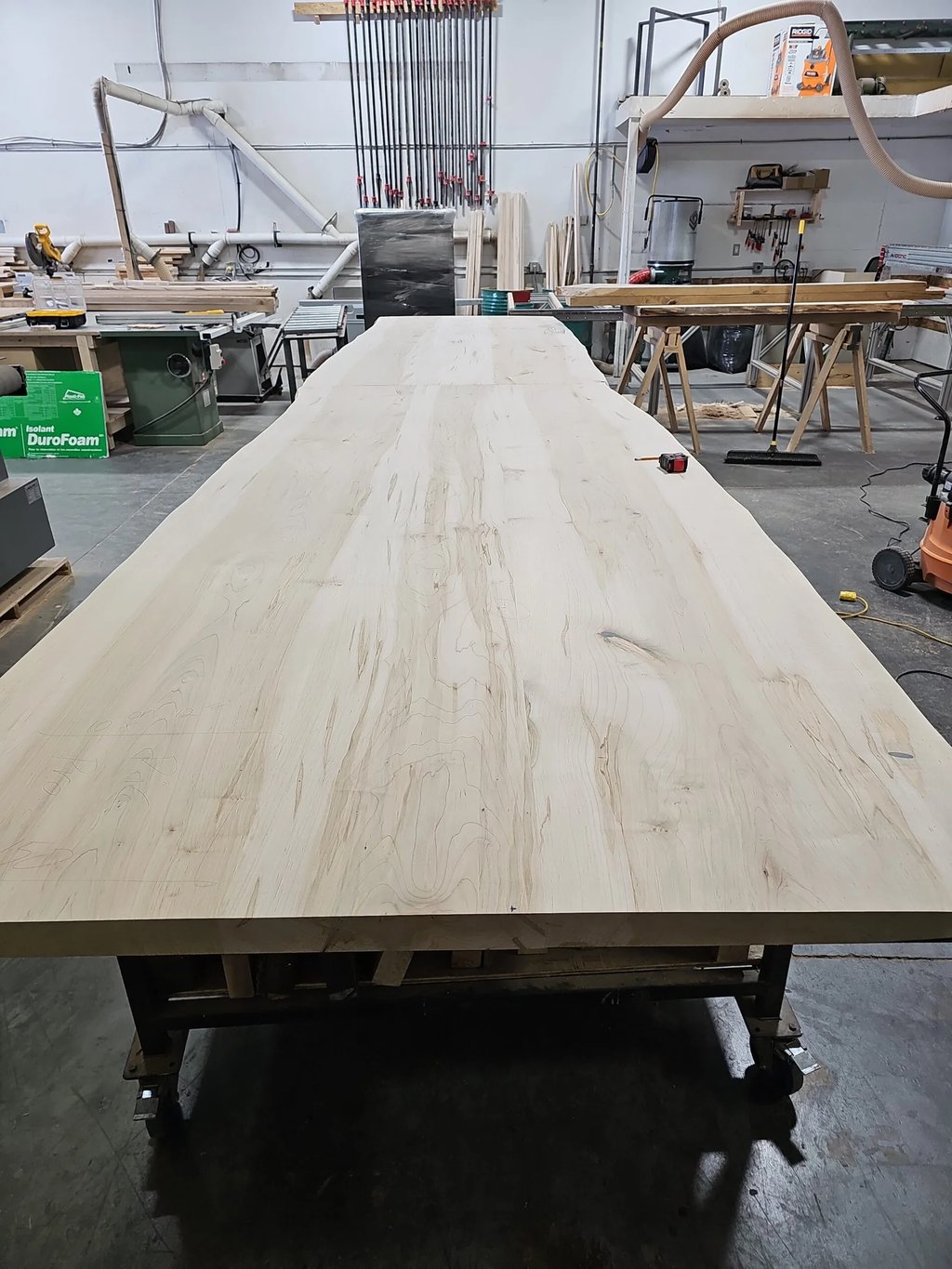
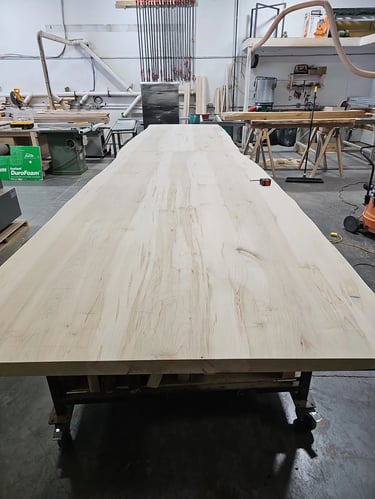
Maple is known for its smooth texture, fine grain, and exceptional hardness. Its light color helps create an open, welcoming environment while offering outstanding resistance to everyday wear. Example of a maple boardroom table build.
Best For:
Collaborative workspaces
Contemporary offices
High-traffic meeting rooms
Minimalist interiors
Advantages:
Extremely durable surface
Clean and consistent appearance
Modern aesthetic
Easy to maintain
If your boardroom experiences frequent use and you prefer a sleek, understated look, maple is an excellent option.
Cherry: Traditional Elegance
Cherry wood is prized for its warm reddish-brown tones and ability to develop a richer patina over time. It offers a classic appearance that suits organizations with a more traditional or heritage-focused brand identity.
Best For:
Professional service firms
Government offices
Traditional corporate settings
Executive suites
Advantages:
Rich, warm coloration
Refined grain pattern
Beautiful aging characteristics
Sophisticated appearance
Cherry creates a welcoming yet distinguished atmosphere that appeals to organizations seeking a balance between professionalism and warmth.
Matching Wood Species to Your Brand
When selecting a boardroom table, consider the message you want your meeting space to communicate.
Choose Walnut If:
You want to project authority, prestige, and executive leadership.
Choose White Oak If:
You prefer a modern, versatile look that feels both professional and approachable.
Choose Maple If:
Durability and a clean contemporary aesthetic are your top priorities.
Choose Cherry If:
You value tradition, craftsmanship, and timeless elegance.
Your boardroom should reflect your company's culture and values, making wood selection an important branding decision rather than simply a design choice.
Consider Your Office Design
The best wood species will complement your existing interior design.
Modern Spaces
White oak and maple pair well with glass, steel, and minimalist architecture.
Traditional Spaces
Walnut and cherry enhance classic office furnishings and executive environments.
Hybrid Designs
White oak often bridges traditional and modern aesthetics, making it an excellent choice for transitional spaces.
When in doubt, consider the flooring, wall finishes, lighting, and surrounding furniture before making your final decision.
Durability and Long-Term Performance
Boardroom tables are significant investments, so durability matters.
Factors to consider include:
Resistance to dents and scratches
Ease of refinishing
Daily wear from laptops and equipment
Exposure to sunlight
Long-term maintenance requirements
White oak and maple are among the hardest and most durable hardwood options, while walnut and cherry offer exceptional beauty with slightly softer surfaces that develop character over time.
The Importance of Craftsmanship
Even the finest wood species cannot compensate for poor craftsmanship.
Look for a boardroom table that offers:
Premium hardwood construction
Quality joinery techniques
Durable commercial-grade finishes
Integrated cable management solutions
Custom sizing options
The combination of expert craftsmanship and the right wood species ensures a table that performs beautifully for decades.
Final Thoughts
Choosing the right wood species for your boardroom table is about more than appearance. It's about creating a space that reflects your company's identity, supports productive meetings, and leaves a lasting impression on everyone who enters the room.
Walnut delivers executive sophistication, white oak offers modern versatility, maple provides exceptional durability, and cherry brings timeless warmth.
By considering your brand, office design, durability needs, and long-term goals, you'll be able to select a boardroom table that serves as both a functional workspace and a powerful statement piece for years to come.
Ready to design a custom boardroom table? Explore premium handcrafted options and discover the perfect wood species for your workspace. Browse our portfolio now.